Consistent comfort and support across seat zones
Industry solution pathway
Automotive
Automotive seating and interior-comfort programs require a controlled balance of comfort, resilience, fatigue resistance, moulding behaviour and production repeatability. Urechem routes these enquiries toward moulded HR system and polyol pathways for qualified technical discussion.
Typical applications
Car seat cushions and backrests
Bus and commercial-vehicle seating
Headrests and armrests
Seat bolsters and comfort inserts
Prototype and development mouldings
Specialty transport seating components
Key review points
Comfort profile and load distributionMould geometry and shot weightMixing, temperature and cycle conditionsResilience and fatigue behaviourDemould time and surface qualityProduction validation and quality checkpoints
Industry context
Common challenges in automotive
Clear operating conditions and measurable targets help technical teams select the right pathway without premature assumptions.
Fatigue resistance under repeated loading
Mould filling, venting and demould efficiency
Density and hardness repeatability
Cycle-time and production consistency
Traceable quality and documentation control
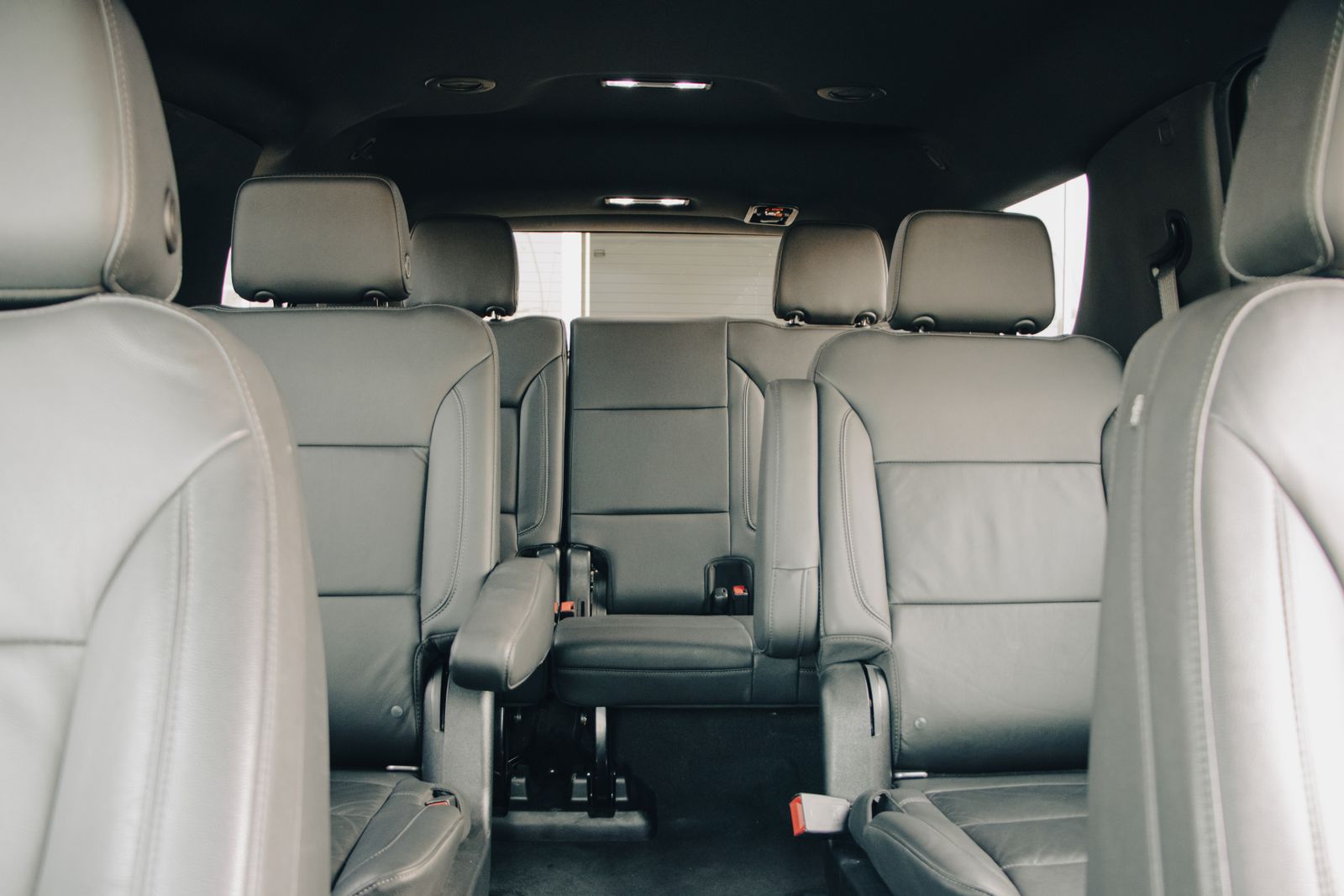
Project context matters
Seat performance is shaped by foam chemistry, mould geometry, process control, repeated loading and the final trim construction.
Product-family routes
Commonly evaluated families
Evaluation workflow
From industry need to validated pathway
Share the application, substrate, operating conditions, target properties, process method, scale and documentation needs.
Requirement mapping
Define component geometry, comfort, density and durability targets.
Operating context
Review mould, equipment, process window, cycle time and quality controls.
Product-family route
Route the project to moulded HR, polyol, MDI and additive family discussions.
Validation and support
Evaluate prototypes, repeated-load performance and production repeatability.
Technical support
Support around the selected pathway
Moulded HR system and polyol-family guidance
Prototype and sample-planning support
Process-window and production-review coordination
Technical-document routing for automotive programs
Automotive enquiry
Bring your operating context, process and performance target.
Urechem can route the requirement toward the most relevant application and product-family review.